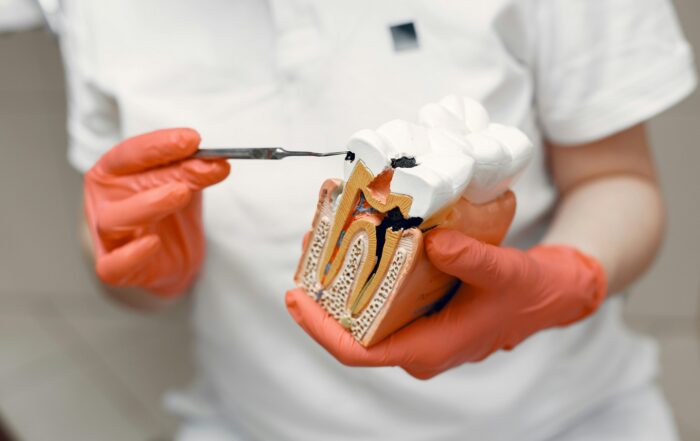

If you’ve been putting off necessary dental work because of anxiety or fear, you’re not alone. Many patients experience dental-related stress, which is why sedation dentistry has become an increasingly popular solution. At Elevated Endodontics, Dr. Jason Read, DMD, understands that dental procedures can be intimidating, and we’re here to help you feel comfortable and relaxed throughout your treatment.
What Is Sedation Dentistry?
Sedation dentistry uses medication to help patients relax during dental procedures. Often referred to as “sleep dentistry,” this approach allows you to receive the care you need without the anxiety that might otherwise prevent you from seeking treatment. While the term “sleep dentistry” is commonly used, most sedation dentistry options actually keep you awake but deeply relaxed, with the exception of general anesthesia.
Types of Dental Sedation Available
Understanding the different types of dental sedation can help you and your dentist determine which option is best for your specific needs. Here’s a breakdown of the most common sedation dentistry options:
Nitrous Oxide (Laughing Gas)
Nitrous oxide is one of the mildest forms of sedation available. You’ll breathe the gas through a small mask placed over your nose, and within minutes, you’ll feel relaxed and calm. The effects wear off quickly after the mask is removed, so you can typically drive yourself home after your appointment. This option works well for patients with mild to moderate anxiety, and can be used during our root canal treatments.
Oral Conscious Sedation
With oral conscious sedation, you’ll take a prescribed medication, usually in pill form, about an hour before your appointment. This type of sedation creates a deeper level of relaxation than nitrous oxide, though you’ll still be awake and able to respond to questions. You’ll need someone to drive you to and from your appointment, as the effects can last several hours.
IV Sedation
Intravenous (IV) sedation delivers medication directly into your bloodstream, allowing Dr. Read to adjust your sedation level throughout the procedure. Many patients who receive IV sedation have little to no memory of their treatment afterward. This option is ideal for lengthy procedures or patients with significant dental anxiety. You’ll need to arrange transportation, as you won’t be able to drive for at least 24 hours.
General Anesthesia
General anesthesia renders you completely unconscious during your procedure. While this is the deepest level of sedation available, it’s typically reserved for complex surgical procedures or patients with special needs. You’ll be carefully monitored throughout the process and will need several hours to recover.
Is Sedation Dentistry Right for You?
Sedation dentistry, explained in simple terms, means having options to make your dental experience more comfortable. You might be a good candidate for sedation if you:
- Experience severe dental anxiety or phobia
- Have a sensitive gag reflex
- Need extensive dental work completed
- Have difficulty getting numb with local anesthesia
- Have special needs that make dental treatment challenging
Your Comfort Is Our Priority
At Elevated Endodontics in Denver, CO, we believe that dental anxiety shouldn’t prevent you from receiving the specialized care you need. Dr. Read and our experienced team are trained in various sedation dentistry options to ensure your comfort during endodontic procedures.
Ready to discuss which sedation option might be right for you? Contact us to learn more about how we can help ease your sedation and dental anxiety concerns. Call our Denver office at 720-895-1717 to schedule a consultation. We’ll take the time to understand your concerns and create a treatment plan that prioritizes your comfort and well-being.
Have you ever experienced a sharp, lingering toothache that just won’t quit? You might be dealing with pulpitis, a condition that affects the innermost part of your tooth. Understanding what pulpitis is and how it develops can help you recognize when it’s time to seek professional endodontic care.
Understanding Pulpitis and Your Tooth’s Inner Health
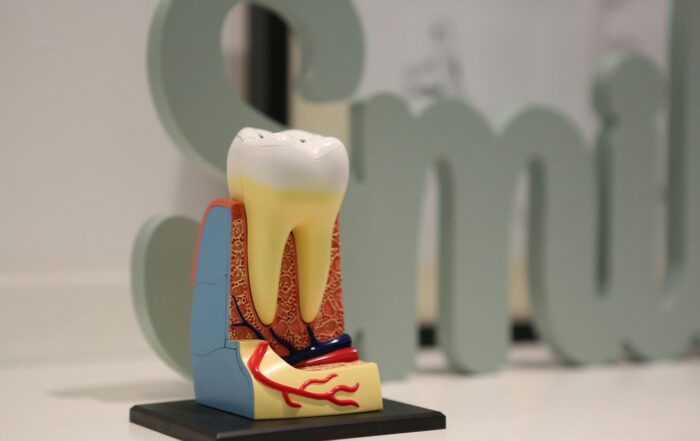
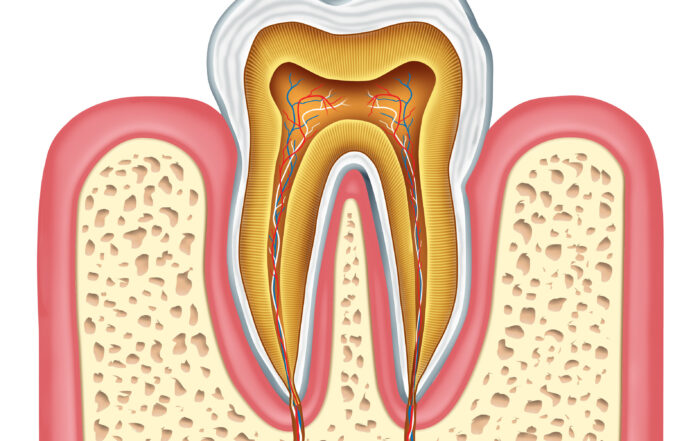
Pulpitis occurs when the dental pulp, the soft tissue inside your tooth containing nerves, blood vessels, and connective tissue, becomes inflamed. This inflamed tooth pulp can result from various causes, including deep cavities, repeated dental procedures on the same tooth, cracks or chips in the tooth, or trauma to the tooth.
When bacteria penetrate through your tooth’s protective enamel and dentin layers, they can reach the pulp chamber and trigger an inflammatory response. Your body’s natural defense mechanism kicks in, but because the pulp is enclosed within the hard structure of your tooth, there’s limited space for swelling. This creates pressure and often leads to that characteristic throbbing pain many patients describe.
The Two Types of Pulpitis
Not all cases of inflamed tooth pulp are the same. Dentists categorize this condition into two main types based on whether the damage can be reversed.
Reversible Pulpitis
Reversible pulpitis represents the early stage of pulp inflammation. With this type, the pulp tissue is irritated but not permanently damaged. You might experience sensitivity to hot or cold foods and beverages, but the pain typically subsides quickly once the stimulus is removed. The good news? When caught early, reversible pulpitis can often be treated with a simple filling or other conservative treatment, allowing your tooth’s pulp to heal naturally.
Irreversible Pulpitis
When inflammation progresses beyond the point of healing, it becomes irreversible pulpitis. This condition involves severe, persistent pain that may:
- Occur spontaneously without any trigger
- Wake you up at night
- Linger long after exposure to hot or cold temperatures
- Radiate to other areas of your jaw or face
With irreversible pulpitis, the inflamed tooth pulp cannot recover on its own. At this stage, root canal therapy becomes necessary to remove the damaged pulp tissue, eliminate infection, and save the tooth. In some cases where previous treatment hasn’t fully resolved the issue, endodontic retreatment may be required.
When to Contact an Endodontist
Dr. Jason Read, DMD, at Elevated Endodontics specializes in diagnosing and treating both reversible pulpitis and irreversible pulpitis. If you’re experiencing any of the following symptoms, it’s important to schedule an evaluation:
- Persistent tooth pain that doesn’t resolve with over-the-counter pain medication
- Prolonged sensitivity to temperature changes
- Pain when biting or chewing
- Swelling or tenderness in the gums near a specific tooth
Early intervention can make the difference between a simple treatment and more complex endodontic care. Don’t ignore persistent tooth pain or assume it will resolve on its own; pulpitis typically worsens without professional treatment.
If you’re experiencing symptoms of pulpitis in the Denver area, contact Elevated Endodontics at 720-895-1717. Our team uses advanced diagnostic tools and techniques to accurately assess your condition and provide the most appropriate treatment to relieve your pain and save your natural tooth.
If your dentist has mentioned you might need a root canal, you’re probably wondering what that means and why it’s necessary. Let’s break down this common dental procedure so you can feel informed and confident about your treatment options.
What Is a Root Canal?
A root canal is a dental procedure designed to save a tooth that has become infected or severely damaged. Despite its intimidating reputation, root canal treatment is actually a pain-relieving procedure, not a pain-causing one.
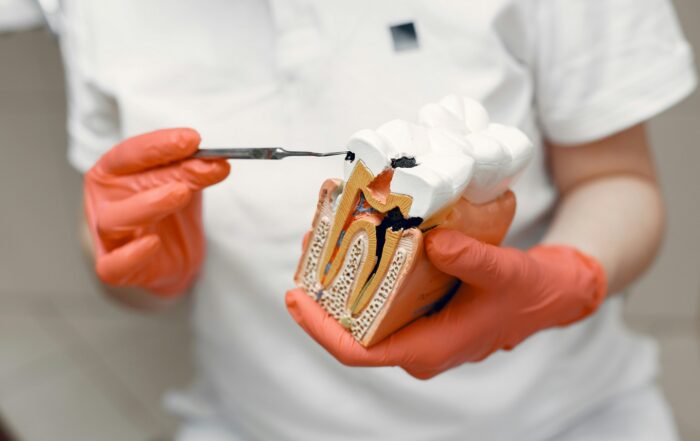
Inside each of your teeth is a soft tissue called pulp, which contains nerves, blood vessels, and connective tissue. When this pulp becomes infected or inflamed due to decay, cracks, or trauma, it can cause significant pain and potentially lead to an abscess. A root canal removes this damaged pulp, cleans and disinfects the inside of the tooth, and then seals it to prevent future infection.
Why Do You Need a Root Canal?
Several situations may lead to needing root canal treatment:
- Deep decay: When a cavity penetrates deep into the tooth and reaches the pulp
- Repeated dental procedures: Multiple treatments on the same tooth can irritate the pulp
- Cracks or chips: Damaged teeth that expose the pulp to bacteria
- Trauma: Injury to a tooth, even without visible damage
- Severe infection: Bacteria that have reached the tooth’s inner chamber
You might need a root canal if you’re experiencing persistent tooth pain, prolonged sensitivity to hot or cold, tooth discoloration, swollen or tender gums, or a pimple-like bump on your gums near the affected tooth.
Root Canal Explained: The Procedure
Understanding what happens during the procedure can help ease any anxiety. At Elevated Endodontics, Dr. Jason Read, DMD, uses advanced techniques to ensure your comfort throughout the process.
Step-by-Step Process
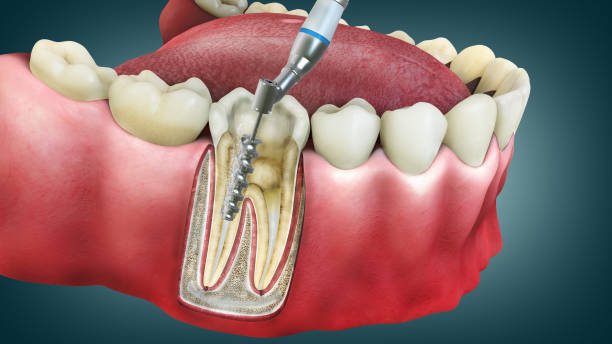
First, the area is numbed with local anesthesia to ensure you’re comfortable. Dr. Read then creates a small opening in the tooth to access the infected pulp. Using specialized instruments, he carefully removes the damaged tissue and thoroughly cleans the inner chambers of your tooth. Once cleaned and disinfected, the space is filled with a biocompatible material and sealed. In most cases, a crown is placed on the tooth afterward to restore its strength and function.
Why Root Canals Are Worth It
Many people wonder if they should just extract the tooth instead. However, saving your natural tooth through root canal treatment offers significant advantages:
- Maintains your natural bite and jaw structure
- Prevents neighboring teeth from shifting
- Avoids the need for more extensive procedures like implants or bridges
- Preserves your natural smile
- Often more cost-effective in the long run
What to Expect After Treatment
Modern root canal procedures are remarkably comfortable, and most patients report that the experience is similar to getting a routine filling. You may experience some mild sensitivity for a few days following treatment, but this is normal and manageable with over-the-counter pain medication.
If you’re experiencing tooth pain or your dentist has recommended endodontic treatment, don’t wait. The sooner you address the problem, the better your chances of saving your tooth. At Elevated Endodontics in Denver, CO, Dr. Jason Read, DMD, specializes in root canal therapy using the latest technology and techniques to ensure the best possible outcome.
Have questions about whether you need a root canal? Call us at 720-895-1717 to schedule a consultation and get the expert care you deserve.
BlogKanak Saha2026-05-03T15:09:04+00:00