
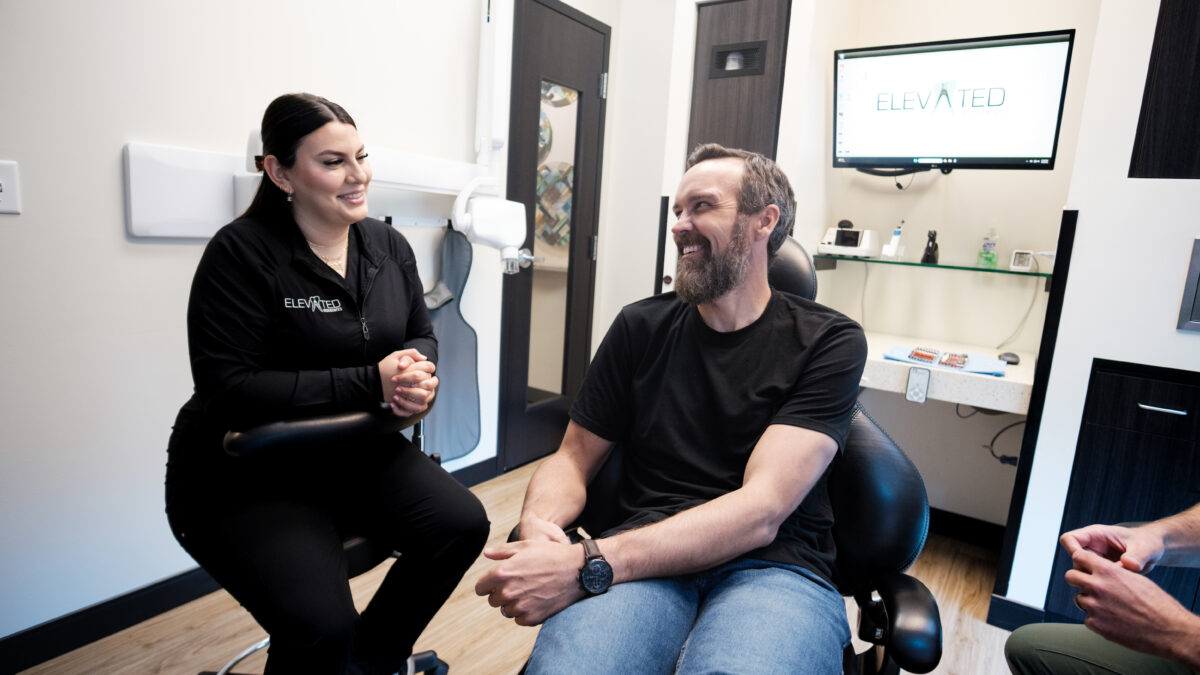
Before Your Endodontic Treatment
What to Expect
– Local anesthesia (you’ll be numb and comfortable)
– Most patients can drive themselves home and return to work the same day
– If you have questions after treatment, our team is available to help
Medications
Continue your regular medications unless your physician has told you otherwise. If you have questions about your medications before treatment, call our office and we’ll help you plan.
Antibiotic Premedication
If you’ve been advised to premedicate with antibiotics, take them one hour before your appointment. If you’re unsure whether you need premedication, call us ahead of time and we’ll confirm with you.
Eat Before Your Appointment
For most appointments, we recommend eating a normal meal (breakfast or lunch) before you arrive.
Sedation appointments are different:
If you are scheduled for IV sedation or oral sedation, follow the fasting and pre-op instructions provided by our team. In many cases, you may be asked not to eat or drink for a period of time before your visit. If you’re unsure, please call or text us and we’ll confirm what applies to you.
Pre-Operative Pain Management
Whether you should take pain medication before your appointment depends on the type of visit:
If you’re coming in for a consultation/diagnostic testing:
Please avoid taking pain medication right before your appointment when possible, because it can reduce symptoms and affect certain diagnostic tests. If you have already taken something, that’s okay—just let us know when you arrive and what you took.
If you’re coming in for treatment (root canal / retreatment / surgery):
Our team will guide you on what’s appropriate for you based on your medical history. Please follow the instructions we provide.
If you are scheduled for IV sedation or oral sedation:
Do not take any medications unless we have specifically instructed you to do so.
During Your Root Canal: Our Comfort Menu
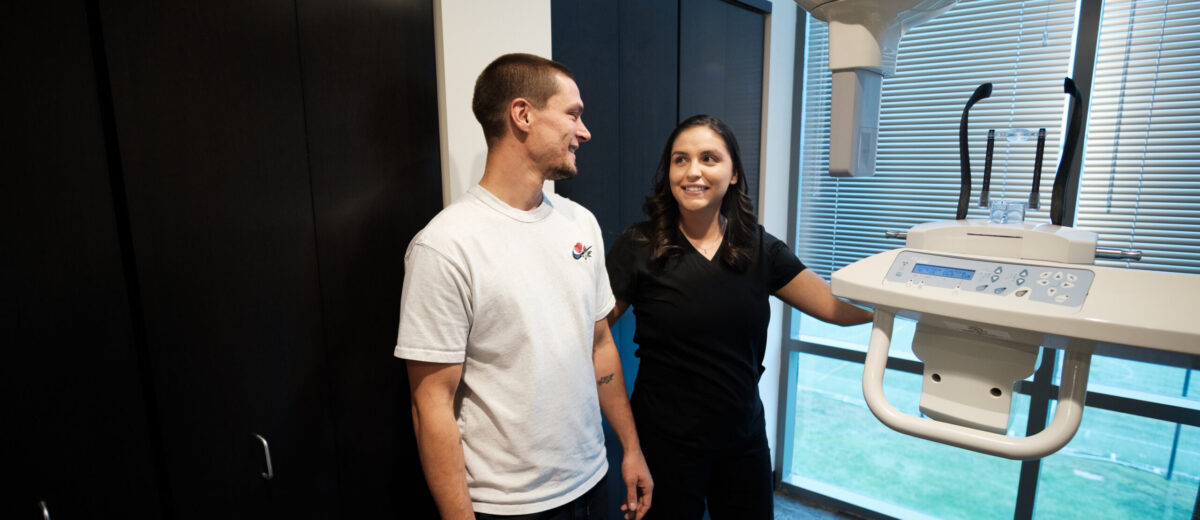
Your comfort matters here. We want your visit to feel calm, supported, and as easy as possible. Before your appointment, we’ll send you a link to our Comfort Menu so you can request what you’d like ahead of time.
Choose from:
- Water or Gatorade
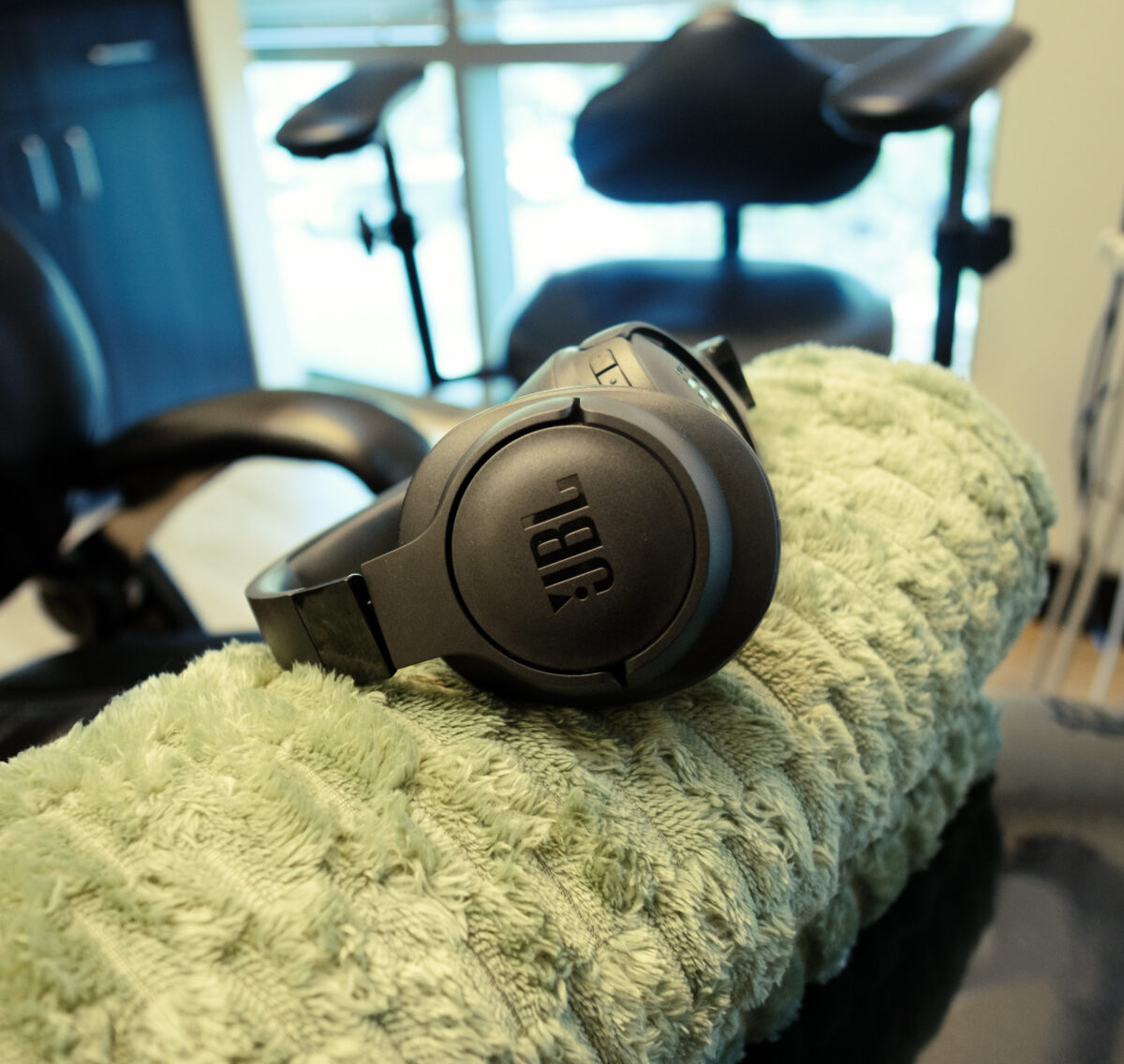
- Cozy blanket + warm facial towel
- Lip balm
- Bluetooth headphones
- Stress ball
- Guest WiFi
- Ibuprofen or Tylenol (if appropriate)
And if you’d like extra help relaxing, free nitrous oxide (N₂O) is available upon request.
Use the Comfort Menu link we send you, or call/text us anytime, our team is happy to help.
After Treatment Is Complete: What Happens Next
Once your root canal is finished, the internal root canal system has been permanently sealed. However, the outer surface of your tooth is protected only by a temporary restoration.
Follow-Up With Your Dentist
Schedule an appointment with your referring dentist promptly for a permanent restoration. This step is essential to protect your tooth against fracture and decay. We will send a complete treatment report to your restorative dentist.
Protecting Your Treated Tooth
Continue chewing on the opposite side until your dentist has placed a core build-up and protective crown. If your tooth structure is significantly compromised, Dr. Read, Dr. MacDonald, or your referring dentist may recommend a post and core build-up for additional support. Your dental team will determine the best restoration to protect your tooth long-term.
Home Care Instructions
What to Expect
– Mild tenderness is normal for a few days.
– Some teeth may feel sensitive for a few weeks.
Eating and Chewing
– Chew on the opposite side.
– Avoid hard or crunchy foods on the treated tooth.
– Do not chew on the treated tooth until your final restoration is placed.
Pain Management
– Use OTC pain relief as directed on the label (if safe for you).
– Call us if pain worsens or isn’t improving after 48–72 hours.
Flare-Ups
– A flare-up can occur 48 hours after treatment. Symptoms may include pain and swelling.
– If we prescribed an antibiotic for flare-ups, start taking it if pain and swelling occur, and take it exactly as directed.
– Contact us right away if symptoms are severe or worsening.
After-Hours Support
– You may text us after hours.
– For urgent concerns, call our main number and follow the prompts to be transferred to the endodontist on call.
DON’T TAKE OUR WORD FOR IT
Hear from patients who feared the worst… and walked out smiling.
Hear from general dentists who won’t send their emergencies anywhere else.