

If you’ve been avoiding dental treatment because of anxiety or fear, you’re not alone. Many patients wonder, “Is sedation dentistry safe?” and whether it’s the right choice for their needs. At Elevated Endodontics, Dr. Jason Read, DMD, understands these concerns and prioritizes patient safety above all else. Let’s explore the facts about dental sedation safety so you can make an informed decision about your care.
Understanding Dental Sedation Safety
Modern sedation dentistry has an excellent safety record when administered by trained professionals. The key to dental sedation safety lies in proper patient screening, accurate dosing, and continuous monitoring throughout your procedure. Dr. Read and his team follow strict protocols to ensure your comfort and well-being during every appointment.
Before recommending sedation, we conduct a thorough medical history review to identify any potential risk factors. This comprehensive approach allows us to customize your sedation plan based on your individual health profile, medications, and specific needs.
Types of Sedation and Their Safety Profiles
Different levels of sedation carry different safety considerations:
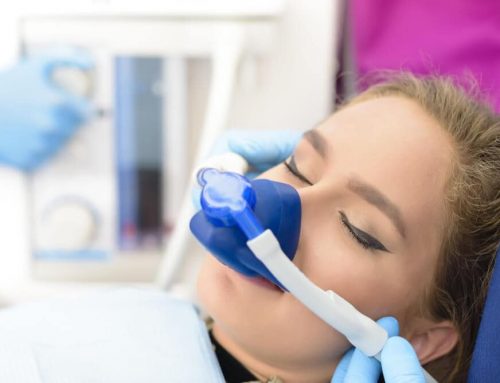
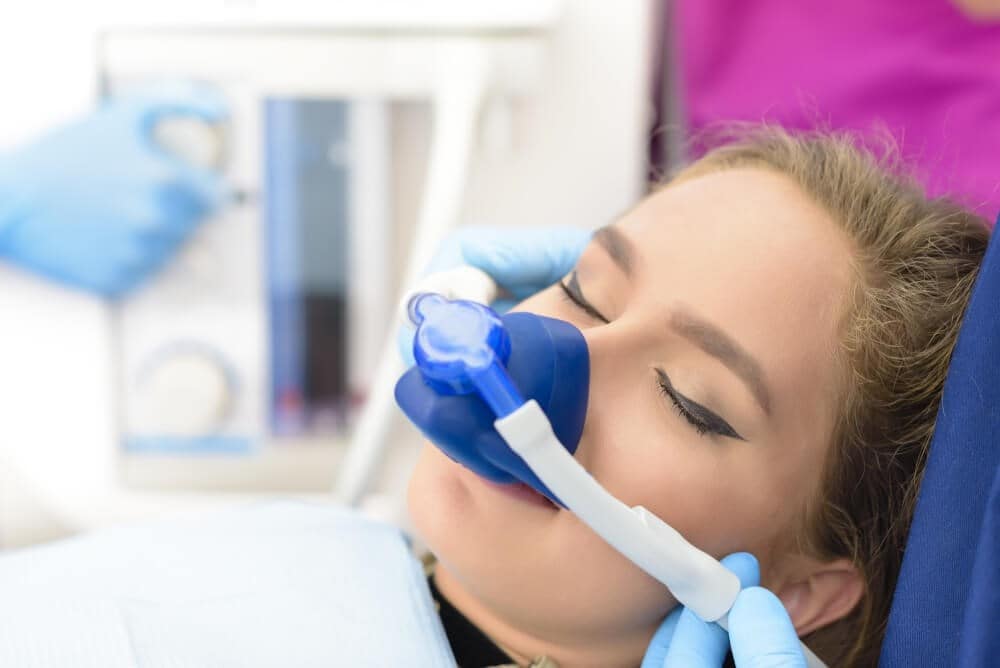
- Nitrous Oxide (Laughing Gas): The mildest form with minimal side effects that wear off quickly
- Oral Sedation: Taken in pill form before your appointment with predictable, manageable effects
- IV Sedation: Administered directly into the bloodstream for deeper sedation with continuous monitoring
At our Denver, CO, office, we carefully select the appropriate sedation level based on the complexity of your procedure and your anxiety level.
Common Sedation Dentistry Risks
While sedation dentistry risks are minimal when properly administered, it’s important to be aware of potential concerns. The most common sedation dentistry risks include:
- Drowsiness lasting several hours after treatment
- Temporary grogginess or confusion
- Dry mouth or mild nausea
- Rare allergic reactions to sedation medications
Serious complications are extremely rare, particularly when you’re treated by an experienced provider like Dr. Read, who maintains advanced training in sedation techniques.
Managing Sedation Side Effects
Most sedation side effects are mild and temporary. Common sedation side effects include:
- Feeling sleepy or lethargic for a few hours
- Headache or mild dizziness
- Temporary memory gaps about the procedure
- Slight nausea (usually preventable with proper pre-treatment instructions)
Our team provides detailed post-treatment instructions to help you manage any sedation side effects comfortably at home. We also require that someone accompany you to and from your appointment if you receive anything beyond nitrous oxide.
Safety Protocols at Elevated Endodontics
Your safety is our top priority. During sedation procedures, we:
- Monitor your vital signs continuously throughout treatment
- Use state-of-the-art monitoring equipment
- Maintain emergency protocols and equipment on-site
- Ensure proper sedation reversal agents are available when appropriate
Dr. Read’s expertise in endodontic procedures, combined with his commitment to dental sedation safety, means you’re in excellent hands at our Denver practice.
Is Sedation Dentistry Right for You?
Most healthy patients are excellent candidates for sedation dentistry. However, certain medical conditions require special consideration. During your consultation, we’ll discuss your complete medical history to determine the safest approach for your specific situation.
Don’t let fear keep you from getting the dental care you need. If you have questions about sedation dentistry safety or want to discuss your options, call Elevated Endodontics at 720-895-1717 today. We’re here to help you feel comfortable and confident about your treatment.




Leave A Comment