

When you’re dealing with severe tooth pain or infection, your dentist might present you with two options: a root canal or extraction. This decision can feel overwhelming, especially when you’re already uncomfortable. At Elevated Endodontics, we believe that understanding the differences between these treatments empowers you to make the best choice for your oral health.
Root Canal vs Extraction: What’s the Difference?
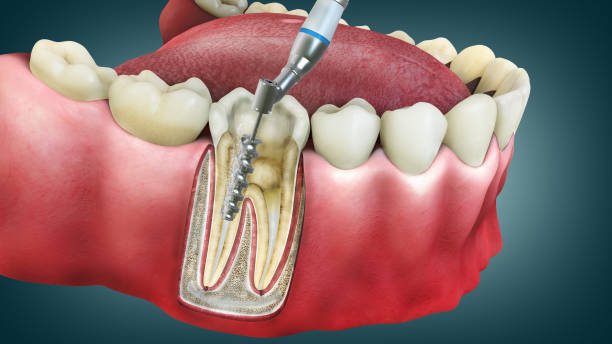
The debate of “saving the tooth vs pulling the tooth” comes down to one fundamental question: Can your natural tooth be preserved? A root canal is a procedure that removes infected or damaged pulp from inside your tooth while keeping the tooth intact. Dr. Jason Read, DMD, specializes in this precise treatment, cleaning out the infection, sealing the tooth, and allowing you to keep your natural smile.
An extraction, on the other hand, means removing the entire tooth from your mouth. While this immediately eliminates the source of infection, it also creates a gap that can lead to other dental issues down the road.
Why Saving Your Natural Tooth Matters
Your natural teeth are designed to last a lifetime, and there are compelling reasons to preserve them whenever possible:
- Maintain proper bite alignment: When you lose a tooth, surrounding teeth can shift, affecting your bite and jaw alignment
- Preserve bone structure: Natural tooth roots stimulate your jawbone, preventing bone loss that commonly occurs after extraction
- Avoid additional procedures: Extracting a tooth often means you’ll need a bridge, implant, or partial denture to fill the gap
- Cost-effective long-term: While a root canal might seem expensive initially, replacing an extracted tooth typically costs more over time
Root Canal or Extraction: Which Is Better?
In most cases, saving your natural tooth through root canal therapy is the preferred option. Modern endodontic techniques have made root canals highly successful, with success rates exceeding 95%. The procedure is also much more comfortable than many people realize, often no more uncomfortable than getting a standard filling.
However, there are situations where extraction might be necessary:
- Severe tooth fracture that extends below the gum line
- Insufficient tooth structure remaining to support a restoration
- Advanced periodontal disease affecting the tooth’s stability
- A tooth that has failed previous root canal treatment and cannot be retreated
It’s worth noting that even if you’ve had a previous root canal that’s now causing problems, endodontic retreatment may offer a second chance to save your tooth before considering extraction.
Making the Right Decision for Your Smile
When weighing root canal vs extraction options, consider both the immediate and long-term implications. Dr. Jason Read, DMD, takes time to evaluate each case individually, using advanced imaging technology to assess whether your tooth can be successfully saved.
At our Denver, CO, practice, we understand that dental anxiety is real, especially when facing these procedures. Our team prioritizes your comfort while providing honest recommendations about what’s truly best for your oral health.
If you’re experiencing tooth pain or have been told you need a root canal or extraction, don’t wait to seek specialized care. Early intervention often means more treatment options and better outcomes. Call Elevated Endodontics at 720-895-1717 to schedule a consultation. We’ll thoroughly examine your tooth, explain your options, and help you make an informed decision about your dental health.
Remember, your natural teeth are worth saving whenever possible, and modern endodontics makes that goal more achievable than ever before.









Leave A Comment