

If you’ve ever experienced a sudden, sharp toothache or prolonged sensitivity to hot or cold foods, you might be dealing with pulpitis. This common dental condition affects the innermost part of your tooth, and understanding what’s happening can help you get the right treatment before the problem worsens.
Understanding Pulpitis and Your Tooth’s Inner Structure
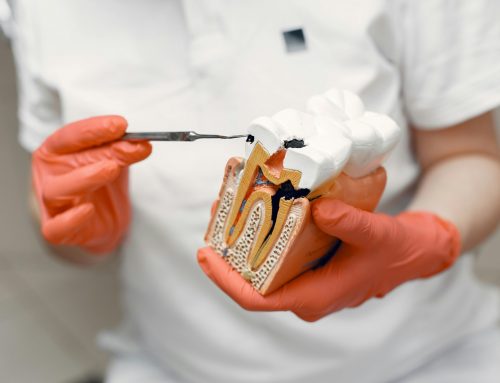
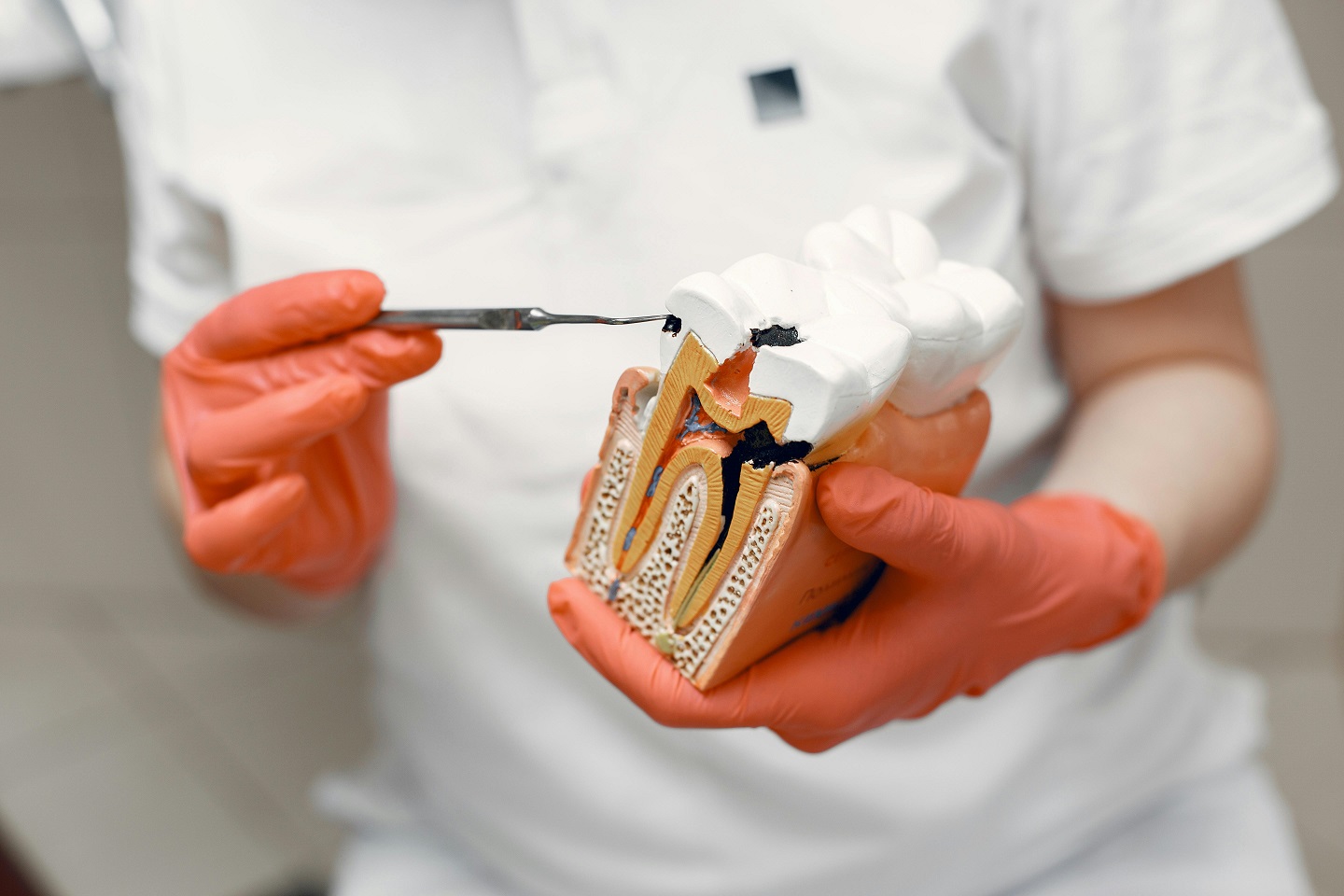
Pulpitis is the inflammation of the dental pulp, which is the soft tissue inside your tooth that contains nerves, blood vessels, and connective tissue. When this delicate area becomes irritated or infected, it triggers pain signals that can range from mild discomfort to severe, throbbing pain.
Inflamed tooth pulp occurs when bacteria penetrate through the tooth’s protective layers, usually through deep cavities, cracks, or trauma. Your body’s natural response is inflammation, which, in the confined space of your tooth canal, creates pressure and pain.
The Two Types of Pulpitis
Not all pulpitis cases are the same. Dental professionals categorize this condition into two distinct types based on whether the damage can be reversed.
Reversible Pulpitis
Reversible pulpitis is the milder form of inflammation where the dental pulp is irritated but not permanently damaged. You might experience:
- Sharp, brief pain when consuming hot, cold, or sweet foods
- Discomfort that quickly subsides once the stimulus is removed
- Sensitivity that responds well to over-the-counter pain relievers
The good news? If caught early, reversible pulpitis can often be treated with a simple filling or other restorative procedure. Once the irritant is removed and the tooth is properly sealed, your pulp tissue can heal on its own.
Irreversible Pulpitis
Irreversible pulpitis represents a more serious condition where the dental pulp has sustained permanent damage. The symptoms are typically more intense:
- Persistent, throbbing pain that lingers even after the trigger is gone
- Spontaneous pain that occurs without any obvious cause
- Difficulty identifying which tooth hurts
- Pain that worsens when lying down or at night
- Prolonged sensitivity to temperature changes
When pulpitis reaches this stage, the inflamed tooth pulp cannot recover on its own. The only effective treatment is typically a root canal procedure to remove the damaged tissue and save the tooth.
Why Early Intervention Matters
The key to managing pulpitis successfully is catching it early. What begins as reversible pulpitis can quickly progress to irreversible pulpitis if left untreated. That brief sensitivity to ice cream could eventually become constant, debilitating pain.
Regular dental check-ups help identify potential problems before they develop into painful emergencies. Your dentist can spot early signs of decay or damage that might lead to inflamed tooth pulp.
When to Seek Professional Care
Don’t ignore persistent tooth pain or sensitivity. If you’re experiencing symptoms of pulpitis, it’s important to have it evaluated promptly. At Elevated Endodontics, Dr. Jason Read, DMD, specializes in diagnosing and treating conditions affecting the dental pulp.
Whether you’re dealing with reversible pulpitis that needs a straightforward restoration or irreversible pulpitis requiring endodontic treatment, getting professional care quickly can mean the difference between saving your tooth and losing it.
If you’re experiencing tooth pain or prolonged sensitivity, don’t wait for the problem to worsen. Contact Elevated Endodontics in Denver, CO, at 720-895-1717 to schedule an evaluation. Dr. Read and his team use advanced techniques to diagnose and treat pulpitis, helping you get back to comfortable, pain-free living.






Leave A Comment