

If your dentist has mentioned you might need a root canal, you’re probably wondering what that means and why it’s necessary. Let’s break down this common dental procedure so you can feel informed and confident about your treatment options.
What Is a Root Canal?
A root canal is a dental procedure designed to save a tooth that has become infected or severely damaged. Despite its intimidating reputation, root canal treatment is actually a pain-relieving procedure, not a pain-causing one.
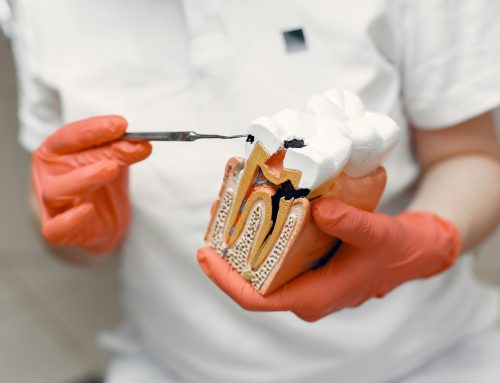
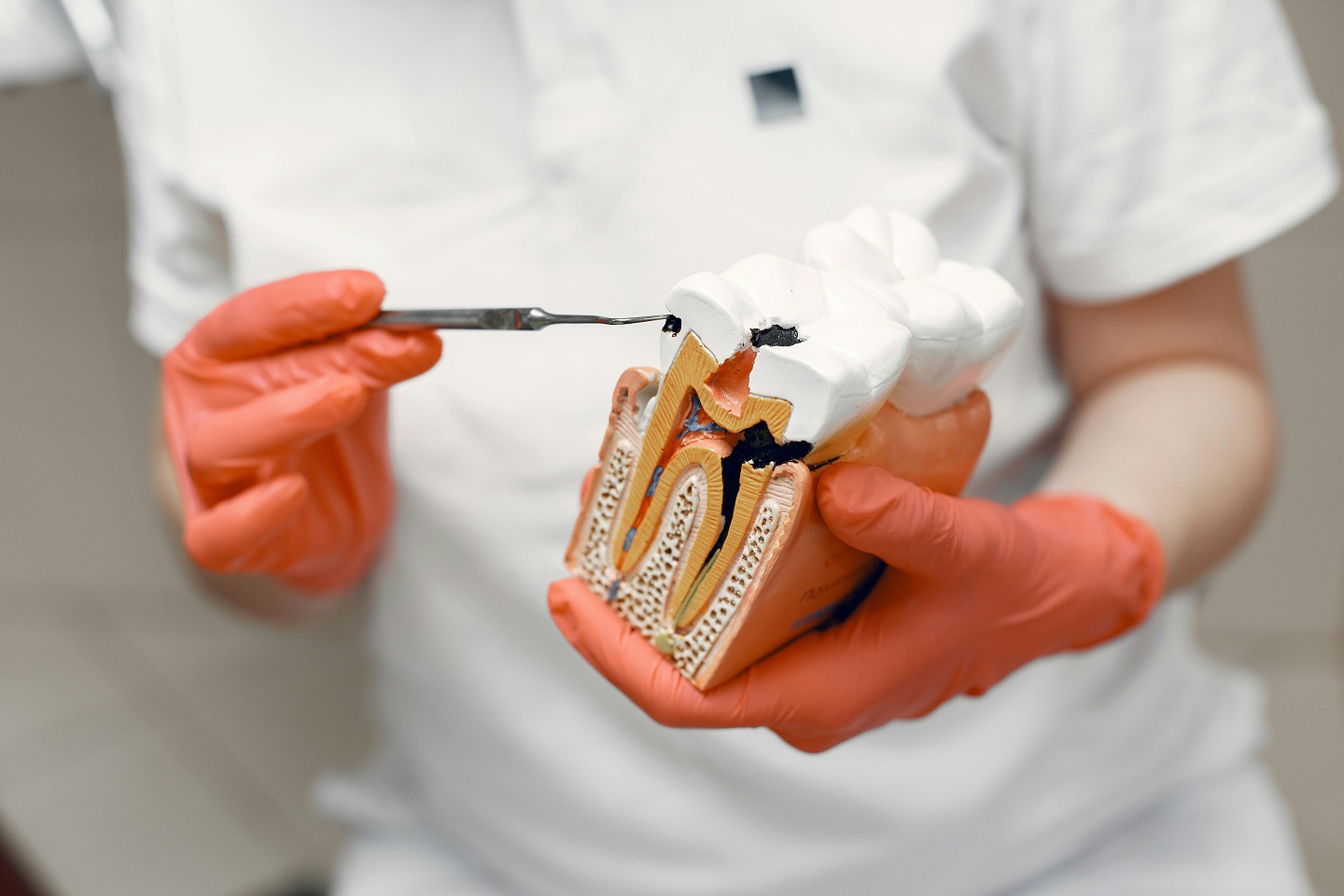
Inside each of your teeth is a soft tissue called pulp, which contains nerves, blood vessels, and connective tissue. When this pulp becomes infected or inflamed due to decay, cracks, or trauma, it can cause significant pain and potentially lead to an abscess. A root canal removes this damaged pulp, cleans and disinfects the inside of the tooth, and then seals it to prevent future infection.
Why Do You Need a Root Canal?
Several situations may lead to needing root canal treatment:
- Deep decay: When a cavity penetrates deep into the tooth and reaches the pulp
- Repeated dental procedures: Multiple treatments on the same tooth can irritate the pulp
- Cracks or chips: Damaged teeth that expose the pulp to bacteria
- Trauma: Injury to a tooth, even without visible damage
- Severe infection: Bacteria that have reached the tooth’s inner chamber
You might need a root canal if you’re experiencing persistent tooth pain, prolonged sensitivity to hot or cold, tooth discoloration, swollen or tender gums, or a pimple-like bump on your gums near the affected tooth.
Root Canal Explained: The Procedure
Understanding what happens during the procedure can help ease any anxiety. At Elevated Endodontics, Dr. Jason Read, DMD, uses advanced techniques to ensure your comfort throughout the process.
Step-by-Step Process
First, the area is numbed with local anesthesia to ensure you’re comfortable. Dr. Read then creates a small opening in the tooth to access the infected pulp. Using specialized instruments, he carefully removes the damaged tissue and thoroughly cleans the inner chambers of your tooth. Once cleaned and disinfected, the space is filled with a biocompatible material and sealed. In most cases, a crown is placed on the tooth afterward to restore its strength and function.
Why Root Canals Are Worth It
Many people wonder if they should just extract the tooth instead. However, saving your natural tooth through root canal treatment offers significant advantages:
- Maintains your natural bite and jaw structure
- Prevents neighboring teeth from shifting
- Avoids the need for more extensive procedures like implants or bridges
- Preserves your natural smile
- Often more cost-effective in the long run
What to Expect After Treatment
Modern root canal procedures are remarkably comfortable, and most patients report that the experience is similar to getting a routine filling. You may experience some mild sensitivity for a few days following treatment, but this is normal and manageable with over-the-counter pain medication.
If you’re experiencing tooth pain or your dentist has recommended endodontic treatment, don’t wait. The sooner you address the problem, the better your chances of saving your tooth. At Elevated Endodontics in Denver, CO, Dr. Jason Read, DMD, specializes in root canal therapy using the latest technology and techniques to ensure the best possible outcome.
Have questions about whether you need a root canal? Call us at 720-895-1717 to schedule a consultation and get the expert care you deserve.








Leave A Comment