
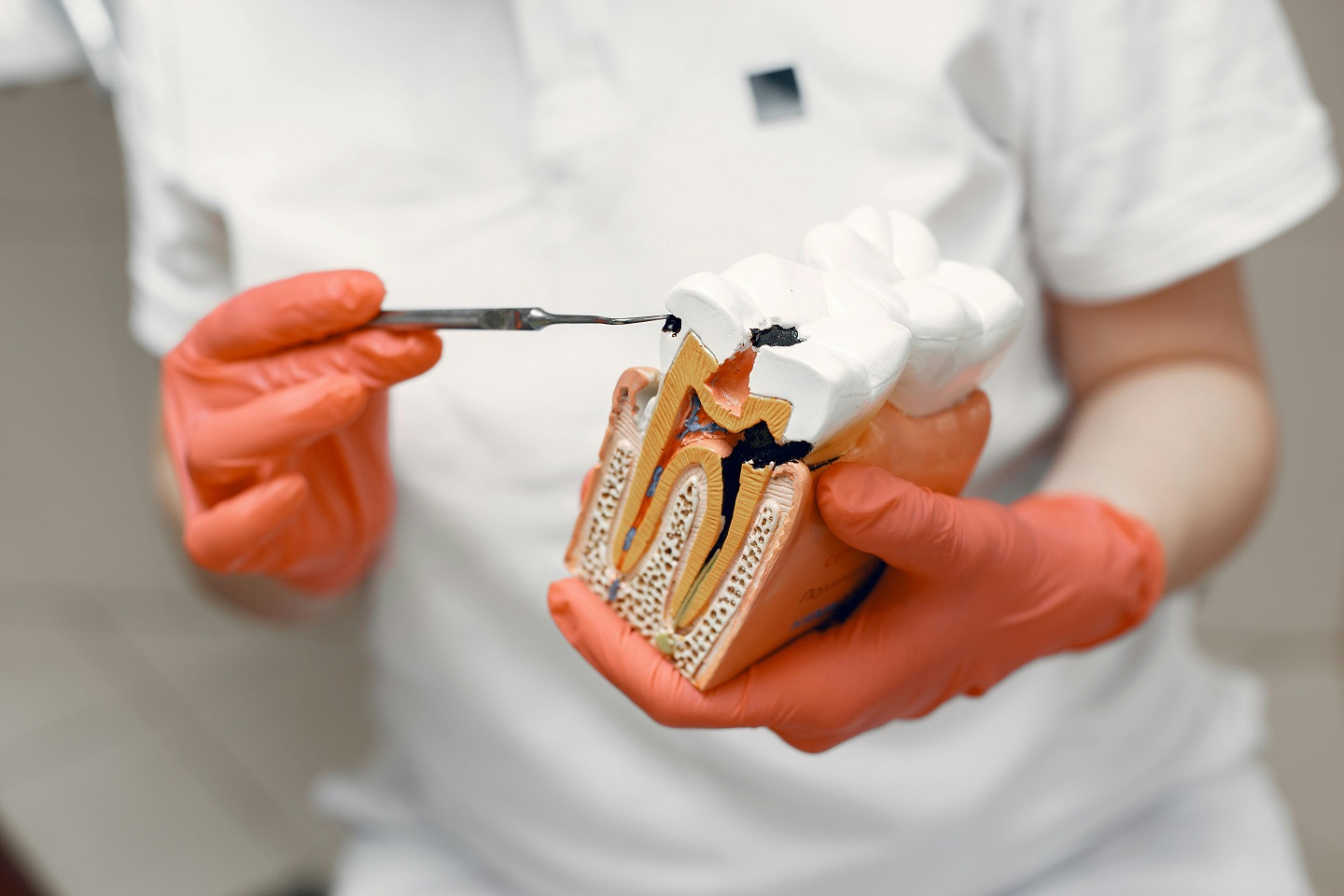
Have you ever experienced a sharp, lingering toothache that just won’t quit? You might be dealing with pulpitis, a condition that affects the innermost part of your tooth. Understanding what pulpitis is and how it develops can help you recognize when it’s time to seek professional endodontic care.
Understanding Pulpitis and Your Tooth’s Inner Health
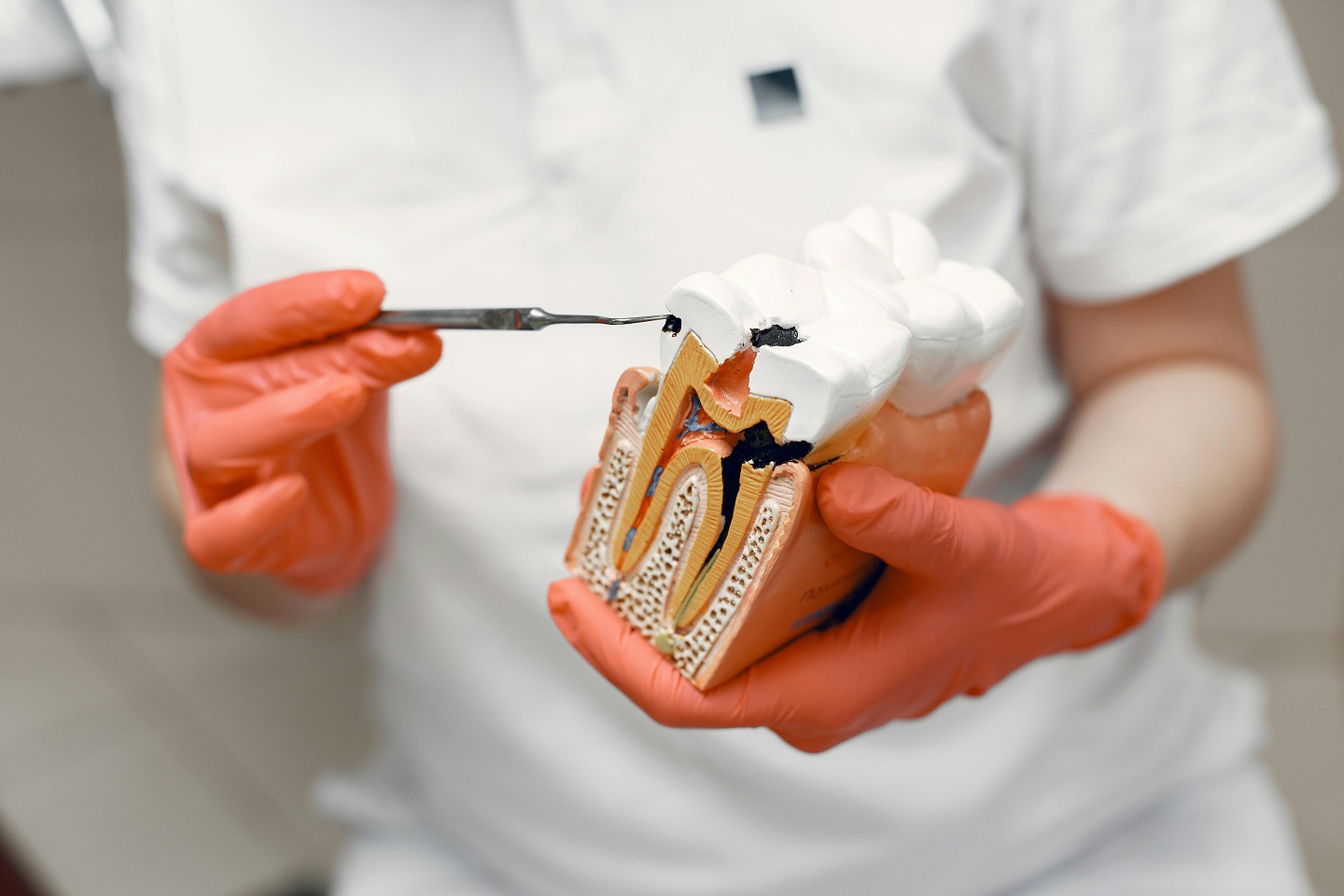
Pulpitis occurs when the dental pulp, the soft tissue inside your tooth containing nerves, blood vessels, and connective tissue, becomes inflamed. This inflamed tooth pulp can result from various causes, including deep cavities, repeated dental procedures on the same tooth, cracks or chips in the tooth, or trauma to the tooth.
When bacteria penetrate through your tooth’s protective enamel and dentin layers, they can reach the pulp chamber and trigger an inflammatory response. Your body’s natural defense mechanism kicks in, but because the pulp is enclosed within the hard structure of your tooth, there’s limited space for swelling. This creates pressure and often leads to that characteristic throbbing pain many patients describe.
The Two Types of Pulpitis
Not all cases of inflamed tooth pulp are the same. Dentists categorize this condition into two main types based on whether the damage can be reversed.
Reversible Pulpitis
Reversible pulpitis represents the early stage of pulp inflammation. With this type, the pulp tissue is irritated but not permanently damaged. You might experience sensitivity to hot or cold foods and beverages, but the pain typically subsides quickly once the stimulus is removed. The good news? When caught early, reversible pulpitis can often be treated with a simple filling or other conservative treatment, allowing your tooth’s pulp to heal naturally.
Irreversible Pulpitis
When inflammation progresses beyond the point of healing, it becomes irreversible pulpitis. This condition involves severe, persistent pain that may:
- Occur spontaneously without any trigger
- Wake you up at night
- Linger long after exposure to hot or cold temperatures
- Radiate to other areas of your jaw or face
With irreversible pulpitis, the inflamed tooth pulp cannot recover on its own. At this stage, root canal therapy becomes necessary to remove the damaged pulp tissue, eliminate infection, and save the tooth. In some cases where previous treatment hasn’t fully resolved the issue, endodontic retreatment may be required.
When to Contact an Endodontist
Dr. Jason Read, DMD, at Elevated Endodontics specializes in diagnosing and treating both reversible pulpitis and irreversible pulpitis. If you’re experiencing any of the following symptoms, it’s important to schedule an evaluation:
- Persistent tooth pain that doesn’t resolve with over-the-counter pain medication
- Prolonged sensitivity to temperature changes
- Pain when biting or chewing
- Swelling or tenderness in the gums near a specific tooth
Early intervention can make the difference between a simple treatment and more complex endodontic care. Don’t ignore persistent tooth pain or assume it will resolve on its own; pulpitis typically worsens without professional treatment.
If you’re experiencing symptoms of pulpitis in the Denver area, contact Elevated Endodontics at 720-895-1717. Our team uses advanced diagnostic tools and techniques to accurately assess your condition and provide the most appropriate treatment to relieve your pain and save your natural tooth.






Leave A Comment