
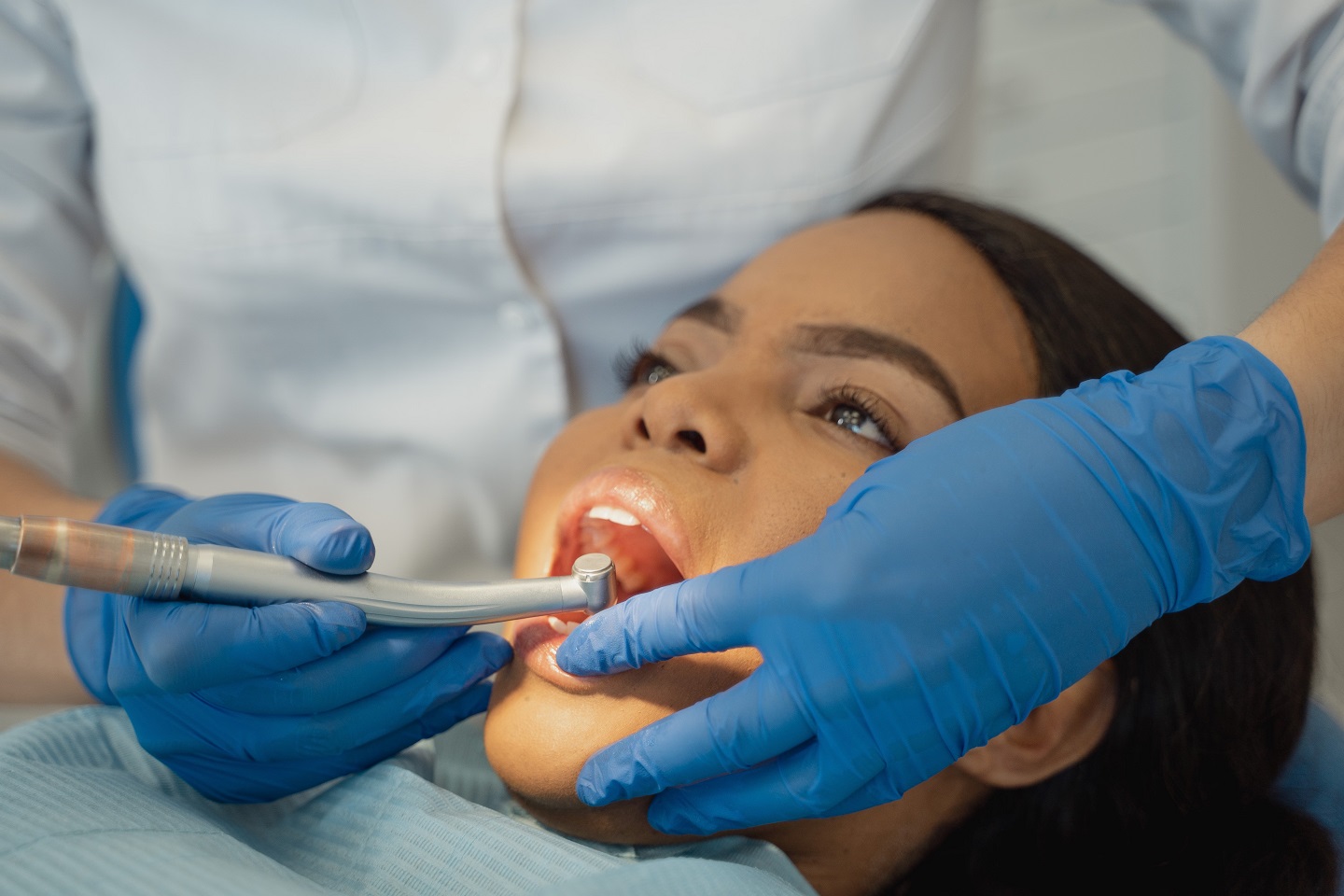
If you’ve been putting off necessary dental work because of anxiety or fear, you’re not alone. Many patients experience dental-related stress, which is why sedation dentistry has become an increasingly popular solution. At Elevated Endodontics, Dr. Jason Read, DMD, understands that dental procedures can be intimidating, and we’re here to help you feel comfortable and relaxed throughout your treatment.
What Is Sedation Dentistry?
Sedation dentistry uses medication to help patients relax during dental procedures. Often referred to as “sleep dentistry,” this approach allows you to receive the care you need without the anxiety that might otherwise prevent you from seeking treatment. While the term “sleep dentistry” is commonly used, most sedation dentistry options actually keep you awake but deeply relaxed, with the exception of general anesthesia.
Types of Dental Sedation Available
Understanding the different types of dental sedation can help you and your dentist determine which option is best for your specific needs. Here’s a breakdown of the most common sedation dentistry options:
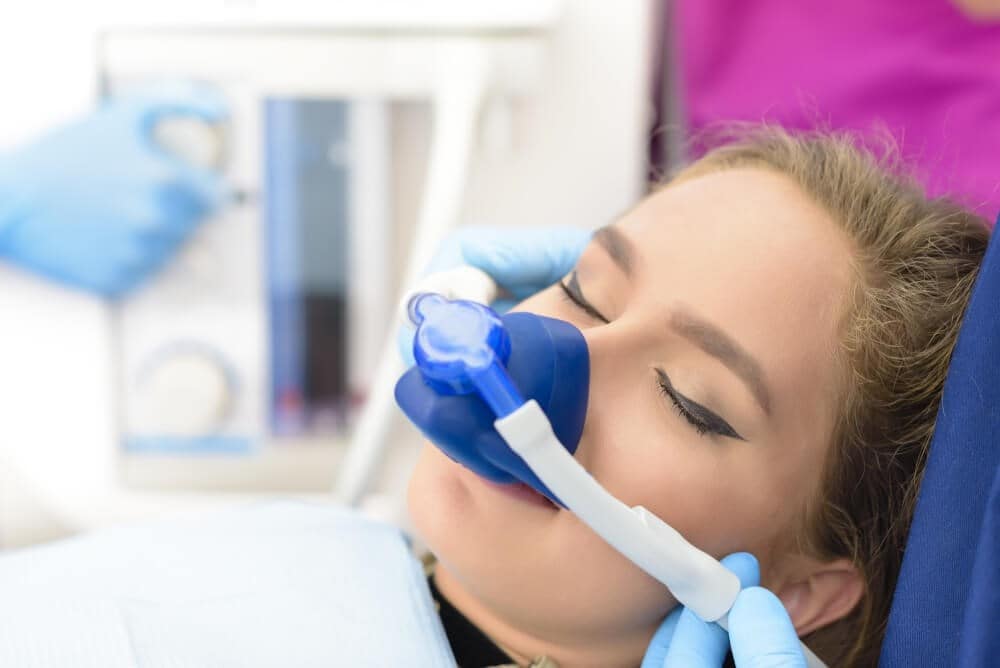
Nitrous Oxide (Laughing Gas)
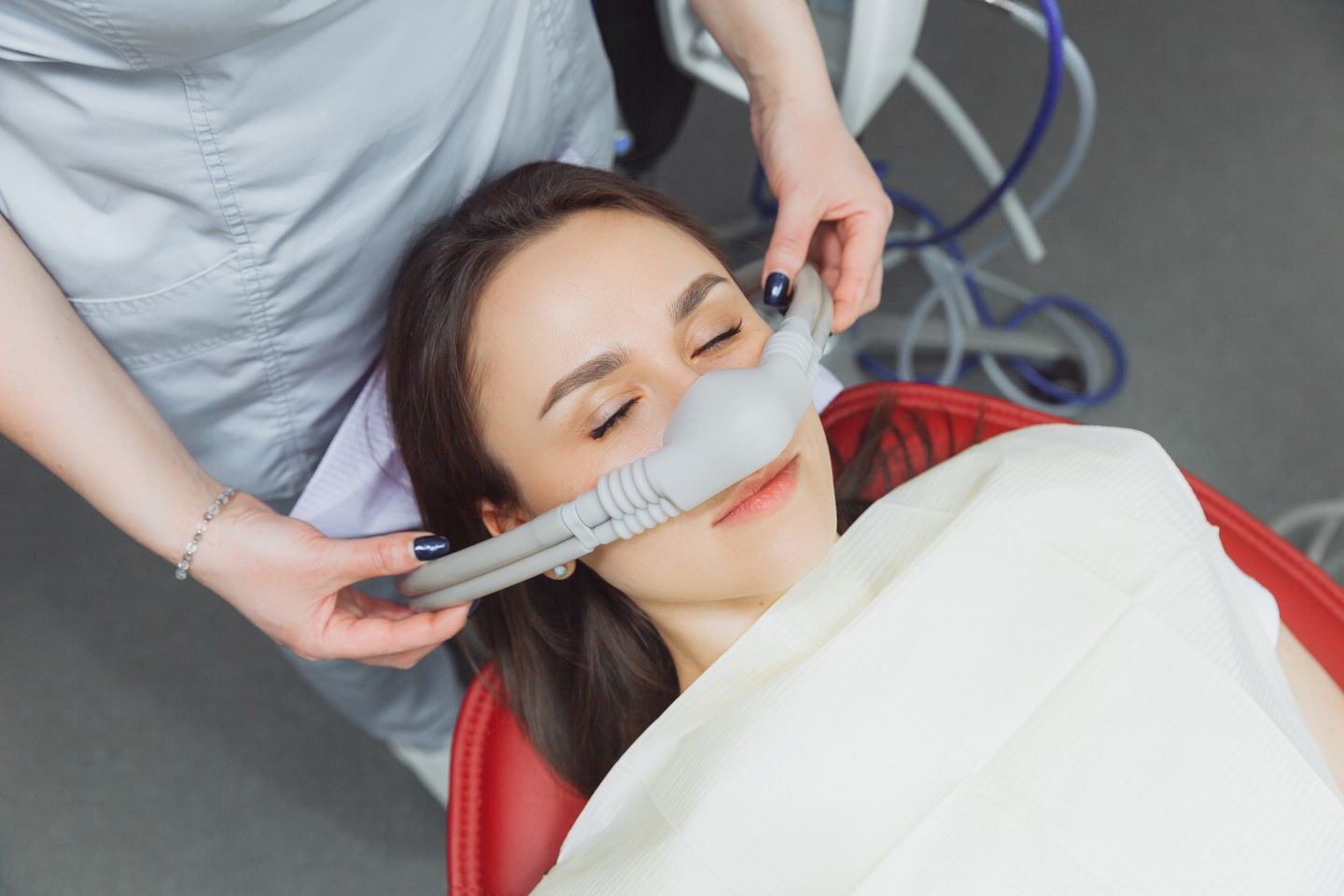
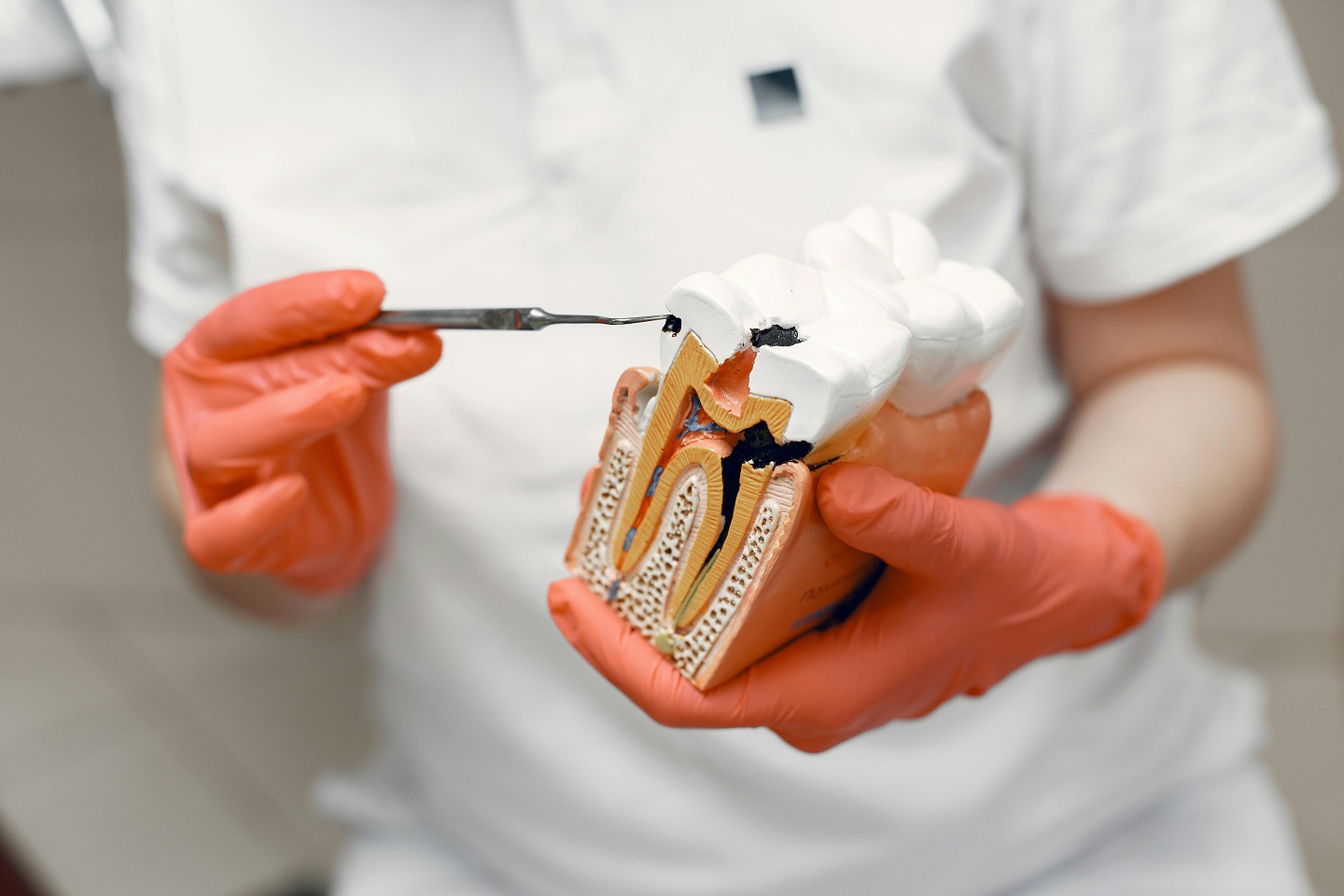
Nitrous oxide is one of the mildest forms of sedation available. You’ll breathe the gas through a small mask placed over your nose, and within minutes, you’ll feel relaxed and calm. The effects wear off quickly after the mask is removed, so you can typically drive yourself home after your appointment. This option works well for patients with mild to moderate anxiety, and can be used during our root canal treatments.
Oral Conscious Sedation
With oral conscious sedation, you’ll take a prescribed medication, usually in pill form, about an hour before your appointment. This type of sedation creates a deeper level of relaxation than nitrous oxide, though you’ll still be awake and able to respond to questions. You’ll need someone to drive you to and from your appointment, as the effects can last several hours.
IV Sedation
Intravenous (IV) sedation delivers medication directly into your bloodstream, allowing Dr. Read to adjust your sedation level throughout the procedure. Many patients who receive IV sedation have little to no memory of their treatment afterward. This option is ideal for lengthy procedures or patients with significant dental anxiety. You’ll need to arrange transportation, as you won’t be able to drive for at least 24 hours.
General Anesthesia
General anesthesia renders you completely unconscious during your procedure. While this is the deepest level of sedation available, it’s typically reserved for complex surgical procedures or patients with special needs. You’ll be carefully monitored throughout the process and will need several hours to recover.
Is Sedation Dentistry Right for You?
Sedation dentistry, explained in simple terms, means having options to make your dental experience more comfortable. You might be a good candidate for sedation if you:
- Experience severe dental anxiety or phobia
- Have a sensitive gag reflex
- Need extensive dental work completed
- Have difficulty getting numb with local anesthesia
- Have special needs that make dental treatment challenging
Your Comfort Is Our Priority
At Elevated Endodontics in Denver, CO, we believe that dental anxiety shouldn’t prevent you from receiving the specialized care you need. Dr. Read and our experienced team are trained in various sedation dentistry options to ensure your comfort during endodontic procedures.
Ready to discuss which sedation option might be right for you? Contact us to learn more about how we can help ease your sedation and dental anxiety concerns. Call our Denver office at 720-895-1717 to schedule a consultation. We’ll take the time to understand your concerns and create a treatment plan that prioritizes your comfort and well-being.




Leave A Comment