
Nobody wants to hear they need a root canal, but recognizing the warning signs early can make all the difference in saving your natural tooth and preventing more serious complications. At Elevated Endodontics, we help Denver patients understand root canal symptoms so they can seek treatment before minor issues become major problems.
What Exactly Is a Root Canal?
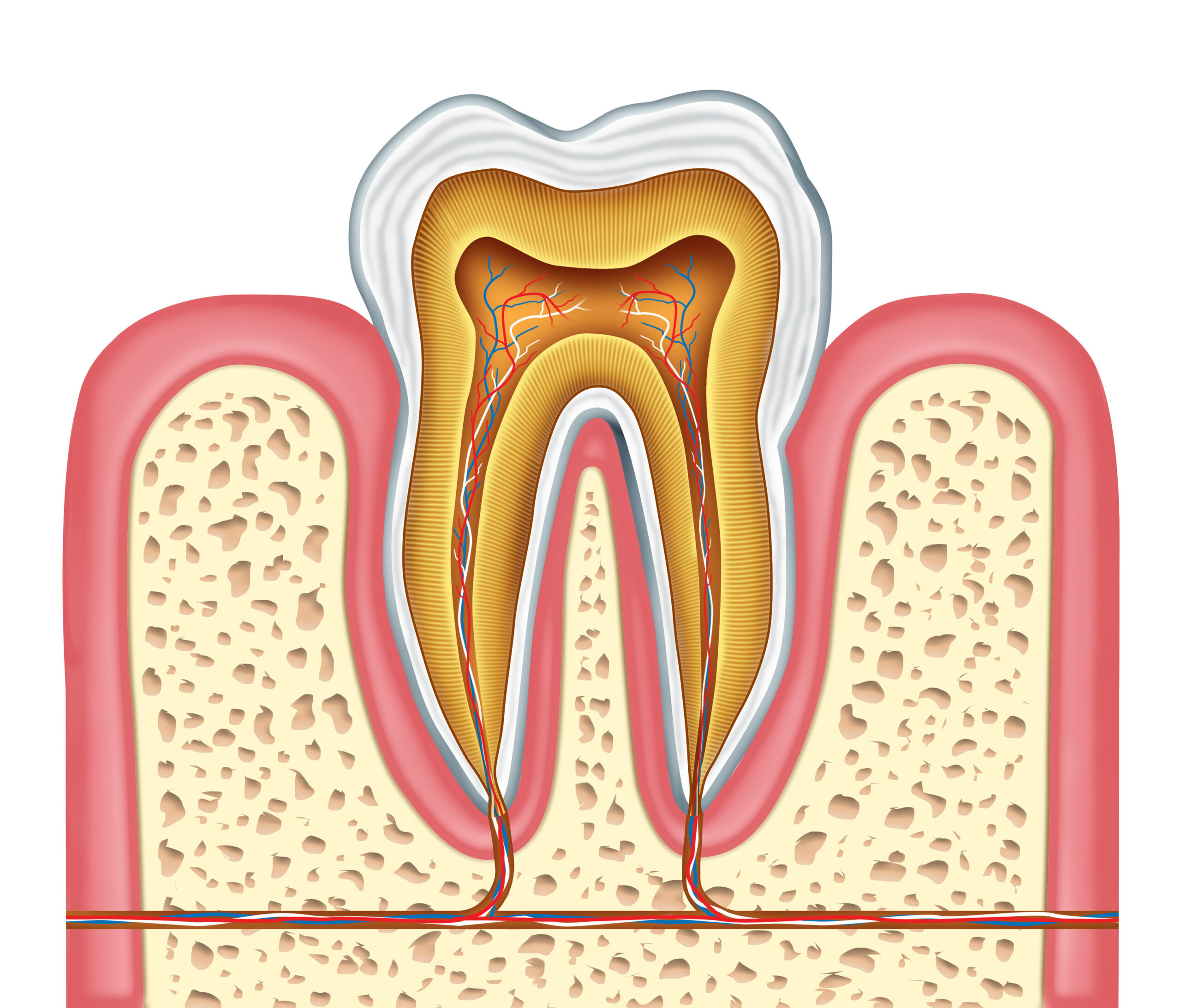
Before diving into the symptoms, it’s helpful to understand what happens during a root canal procedure. When the soft tissue inside your tooth (called the pulp) becomes infected or inflamed, Dr. Jason Read, DMD, can remove the damaged pulp, clean and disinfect the inner chamber, and seal it to prevent future infection. This procedure has come a long way over the years and is now far more comfortable than most people realize.
Common Signs You Need a Root Canal
Your body usually sends clear signals when something’s wrong with your tooth. Here are the most common root canal symptoms to watch for:
Persistent Tooth Pain
One of the most telling signs you need a root canal is ongoing tooth pain that doesn’t go away. This discomfort might be constant, or it may come and go, but it’s persistent enough that you can’t ignore it. The pain might radiate to your jaw, face, or other teeth, making it difficult to pinpoint the exact source.
Sensitivity to Hot and Cold
Do you wince when sipping hot coffee or eating ice cream? While occasional sensitivity is normal, prolonged sensitivity that lingers even after the temperature stimulus is removed could indicate nerve damage or infection inside your tooth.
Swollen or Tender Gums
Tooth infection symptoms often manifest in the surrounding gum tissue. You might notice swelling near the affected tooth, tenderness when touching the area, or even a small pimple-like bump on your gums (called an abscess). These are serious warning signs that shouldn’t be ignored.
Tooth Discoloration
When the pulp inside your tooth becomes damaged, it can cause the tooth to darken or appear grayish. This discoloration occurs from the inside out and is often a sign that the tooth’s nerve has died or is dying.
Prolonged Sensitivity to Pressure
If chewing or applying pressure to a specific tooth causes significant discomfort, this could indicate that the pulp tissue is damaged or that an infection has spread to the surrounding bone.
When to Contact Elevated Endodontics
If you’re asking yourself, “Do I need a root canal?” the answer is to get evaluated sooner rather than later. Some patients experience all of these symptoms, while others may only notice one or two. Either way, it’s important to have Dr. Read examine your tooth promptly.
Don’t Wait for the Pain to Worsen
Many people delay seeking treatment because they’re nervous about the procedure or hoping the pain will resolve on its own. Unfortunately, tooth infections don’t heal without intervention. The longer you wait, the more likely you are to experience:
- Increased pain and swelling
- Spread of infection to surrounding teeth or bone
- Potential tooth loss
- More complex and costly treatment
Get Expert Endodontic Care in Denver
At Elevated Endodontics, we specialize exclusively in root canal treatment and other endodontic procedures. Our focused expertise means you’ll receive the most advanced, comfortable care available. We use state-of-the-art technology and techniques to ensure your procedure is as efficient and pain-free as possible.
If you’re experiencing any of these root canal symptoms, don’t wait for the situation to worsen. Call our Denver office at 720-895-1717 to schedule a consultation with Dr. Jason Read, DMD. We’ll thoroughly evaluate your tooth and discuss all your treatment options, helping you make an informed decision about your dental health.








Leave A Comment