
Nobody wants to hear they need a root canal, but the truth is, this common procedure can save your natural tooth and relieve significant discomfort. At Elevated Endodontics, we understand that dental pain can be confusing and sometimes scary. That’s why we’re here to help you recognize the warning signs that it might be time to give us a call at 720-895-1717.
Understanding What a Root Canal Really Is
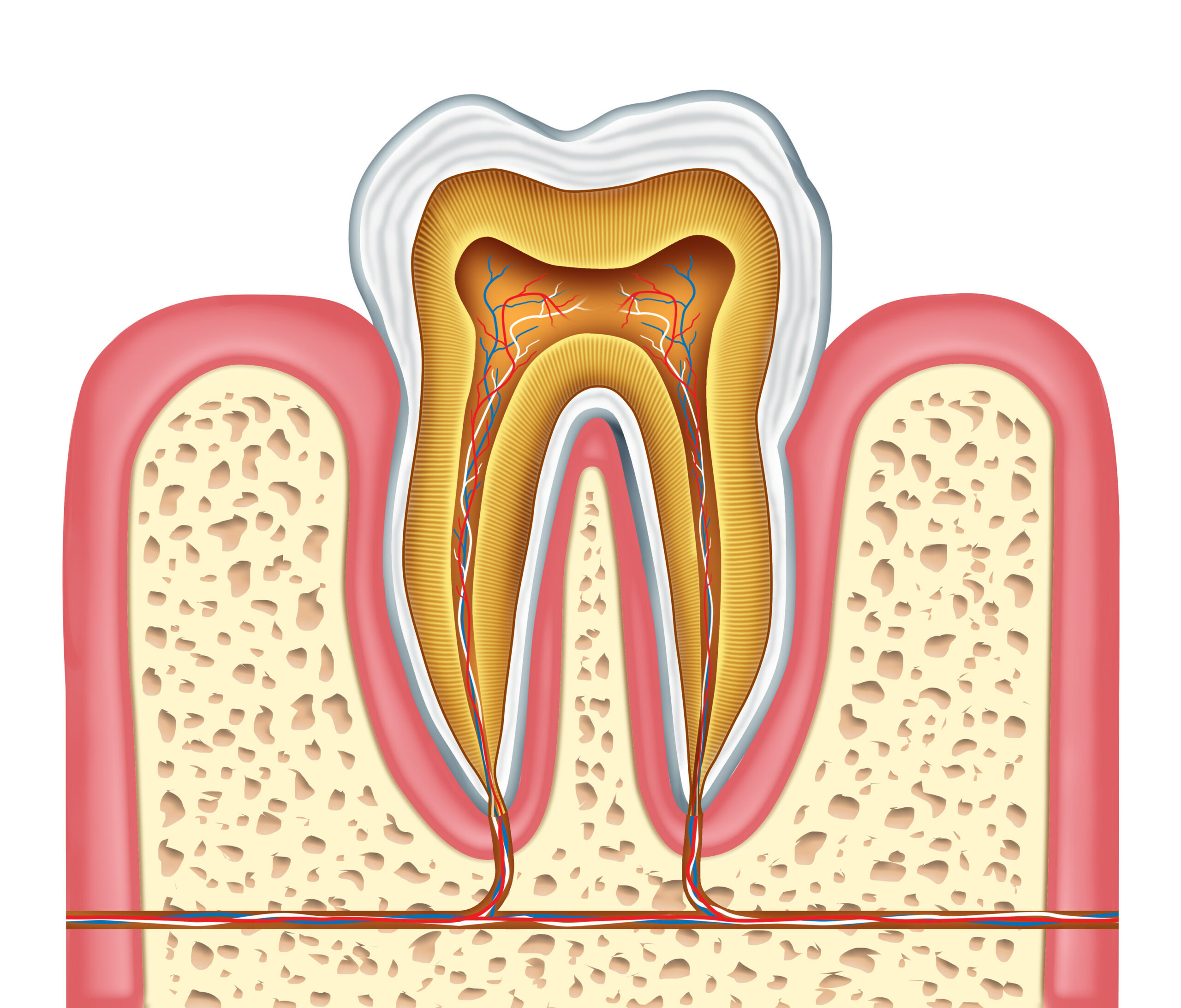
Before we dive into the symptoms, let’s clear up what a root canal actually involves. A root canal is a procedure that removes infected or damaged tissue from inside your tooth. The pulp, which contains nerves, blood vessels, and connective tissue, can become inflamed or infected due to decay, cracks, or trauma. Dr. Jason Read, DMD, specializes in these procedures, using advanced technology to ensure your comfort throughout the process.
Common Root Canal Symptoms You Shouldn’t Ignore
Persistent Tooth Pain
One of the most obvious signs you need a root canal is ongoing tooth pain that doesn’t go away. This discomfort might be constant, or it could come and go, but it’s typically more than just a minor annoyance. The pain may worsen when you bite down, eat, or apply pressure to the affected tooth. If you’re asking yourself, “Do I need a root canal?” and experiencing persistent pain, it’s definitely time to schedule an evaluation.
Extreme Sensitivity to Hot and Cold
Does sipping your morning coffee or enjoying ice cream cause sharp, lingering pain in a specific tooth? While some sensitivity is normal, prolonged discomfort that continues even after removing the hot or cold stimulus is one of the key root canal symptoms. This sensitivity often indicates that the nerve inside your tooth has been compromised.
Swollen or Tender Gums
Tooth infection symptoms frequently manifest in the surrounding gum tissue. You might notice:
– Swelling near the affected tooth
– A small bump or pimple-like growth on your gums (called a fistula)
– Tenderness when touching the gums
– Redness or discoloration in the gum tissue
These signs indicate that infection may be spreading beyond the tooth itself, making prompt treatment essential.
Tooth Discoloration
A tooth that’s turning gray, dark yellow, or brown could signal internal damage or decay. When the pulp inside your tooth dies or becomes severely infected, it can cause the tooth to darken from the inside out. This discoloration is a clear indication that something isn’t right.
Prolonged Pain When Chewing
If eating has become uncomfortable because one particular tooth hurts when you chew, this could be a sign that the tooth’s nerve is damaged or infected. While occasional sensitivity might not be cause for alarm, consistent pain during meals warrants professional attention.
Don’t Wait Until It’s Too Late
Here’s the thing about tooth infection symptoms: they rarely improve on their own. In fact, delaying treatment can lead to more serious complications, including abscess formation, bone loss, and even tooth loss. The good news? Modern root canal therapy is far more comfortable than its reputation suggests, especially when performed by an endodontic specialist like Dr. Read.
If you’re experiencing any signs you need a root canal, don’t put off getting help. Our team at Elevated Endodontics in Denver, CO, is here to provide expert, compassionate care when you need it most. Call us at 720-895-1717 to schedule your consultation and get back to enjoying life without dental pain.








Leave A Comment