
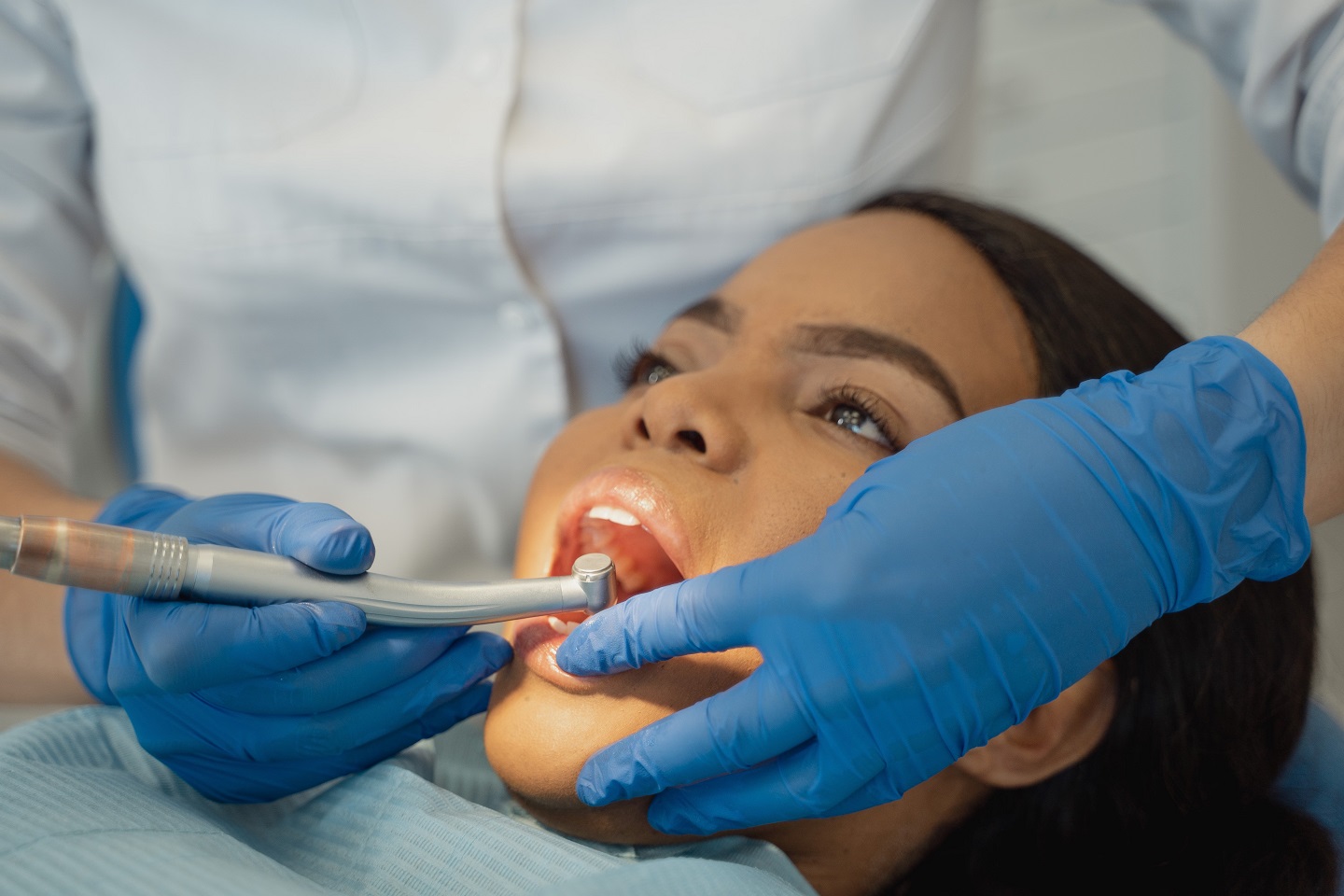
If you’ve had a root canal in the past and you’re experiencing pain or discomfort in that same tooth, you’re probably wondering what went wrong. The good news is that you’re not alone, and there’s a solution. While root canals have a high success rate, sometimes teeth need a second chance through a procedure called root canal retreatment.
Why Would I Need a Second Root Canal?
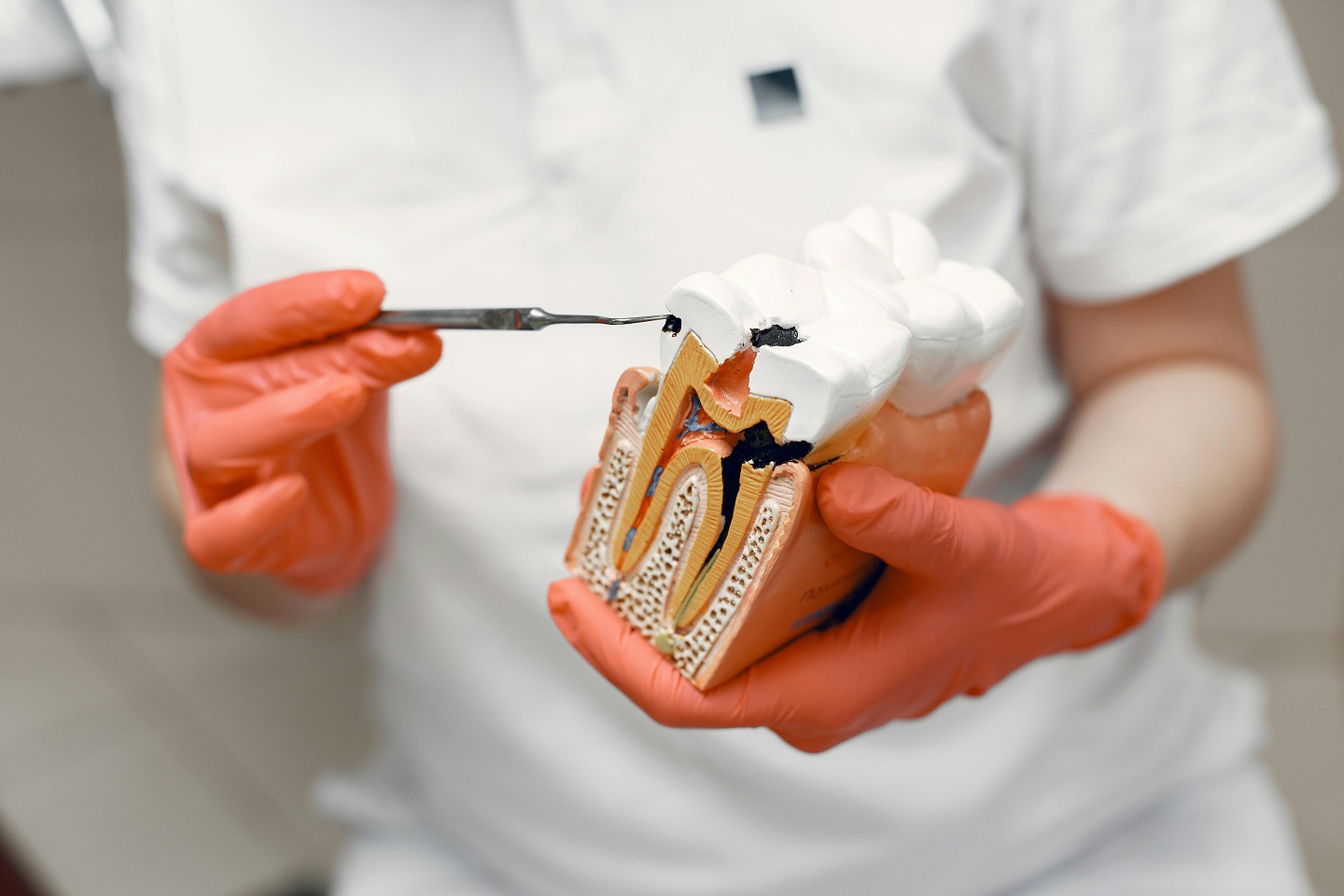
A failed root canal procedure can happen for several reasons, even when the initial procedure was performed correctly. Your tooth is a complex structure with intricate canal systems that can sometimes present unexpected challenges.
Here are some common reasons why endodontic retreatment might be necessary:
- Narrow or curved canals that were difficult to treat during the initial procedure
- Complicated canal anatomy that wasn’t detected the first time
- A crown or restoration that wasn’t placed soon enough after the original treatment, allowing new infection
- New decay that has exposed the root canal filling to bacteria
- A crack or fracture in the tooth that developed after treatment
Sometimes, despite everyone’s best efforts, teeth just don’t heal as expected. The important thing is addressing the problem before it gets worse.
What Happens During Root Canal Retreatment?
During your endodontic retreatment at Elevated Endodontics, Dr. Jason Read, DMD, will carefully reopen your tooth to access the root canal system. This process involves removing the crown and filling materials from the previous treatment.
Once the canals are accessible, Dr. Read will thoroughly clean and examine them using advanced technology, including a surgical microscope. This allows him to identify any issues that may have been missed initially, such as additional canals or cracks. After cleaning and disinfecting the canals, he’ll fill and seal them again, giving your tooth a fresh start.
Is Retreatment Worth It?
When facing a failed root canal, you might be wondering whether retreatment is worth pursuing or if extraction is a better option. Here’s the truth: saving your natural tooth is almost always preferable to extraction.
Your natural teeth are designed to last a lifetime, and nothing functions quite like the real thing. Root canal retreatment gives you the opportunity to preserve your tooth and avoid the need for implants or bridges, which can be more costly and time-consuming in the long run.
What to Expect After Your Procedure
After your second root canal, you might experience some tenderness for a few days, which is completely normal. Most patients find that over-the-counter pain medication is sufficient to manage any discomfort.
It’s important to follow Dr. Read’s post-treatment instructions carefully and schedule a follow-up appointment with your general dentist to have a permanent restoration placed. This final step is crucial for protecting your tooth and preventing future problems.
Don’t Ignore the Warning Signs
If you’re experiencing pain, sensitivity, or swelling in a tooth that’s had a root canal, don’t wait to seek treatment. These symptoms won’t resolve on their own, and ignoring them could lead to more serious complications.
At Elevated Endodontics in Denver, CO, we specialize in complex cases and second root canals. Dr. Jason Read, DMD, uses the latest technology and techniques to give your tooth the best possible chance at long-term success.
Ready to give your tooth a second chance? Call us at 720-895-1717 to schedule your consultation and learn more about how root canal retreatment can help you maintain your natural smile for years to come.






Leave A Comment