

If you’re facing a root canal, you might be feeling a bit anxious about what lies ahead. The good news? Understanding the root canal procedure can help ease those nerves. At Elevated Endodontics, Dr. Jason Read, DMD, and his team believe that informed patients are confident patients. Let’s walk through exactly what happens during a root canal so you know what to expect.
What Is a Root Canal?
Before diving into the root canal process, it’s helpful to understand why you might need one. A root canal becomes necessary when the soft tissue inside your tooth, called the pulp, becomes infected or inflamed. This can happen due to deep decay, repeated dental procedures on the tooth, cracks, or injury. Endodontic treatment steps are designed to save your natural tooth while eliminating pain and infection.
The Root Canal Procedure: A Step-by-Step Guide
Step 1: Examination and X-rays
Your root canal process begins with a thorough examination. Dr. Jason Read, DMD, will take digital X-rays to assess the extent of infection and view the tooth’s root structure. This imaging helps map out the precise treatment plan for your specific situation.
Step 2: Anesthesia and Comfort
Contrary to popular belief, root canals aren’t painful; they actually relieve pain! Before starting, we’ll administer local anesthesia to numb the affected tooth and surrounding area completely. At Elevated Endodontics, your comfort is our priority, so you shouldn’t feel anything beyond slight pressure during the procedure. We also offer sedation options for greater comfort and to ease dental anxiety.
Step 3: Isolation with a Dental Dam
Next, we’ll place a small protective sheet called a dental dam around the tooth. This keeps the area clean and dry while protecting the rest of your mouth during treatment.
Step 4: Accessing the Pulp Chamber
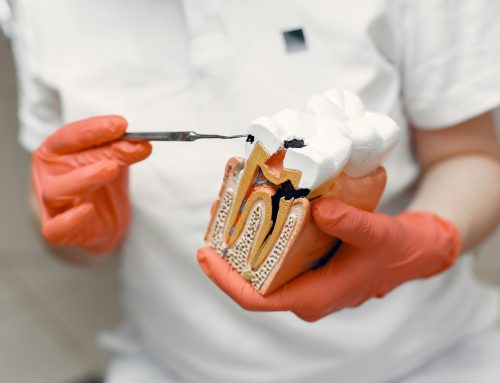
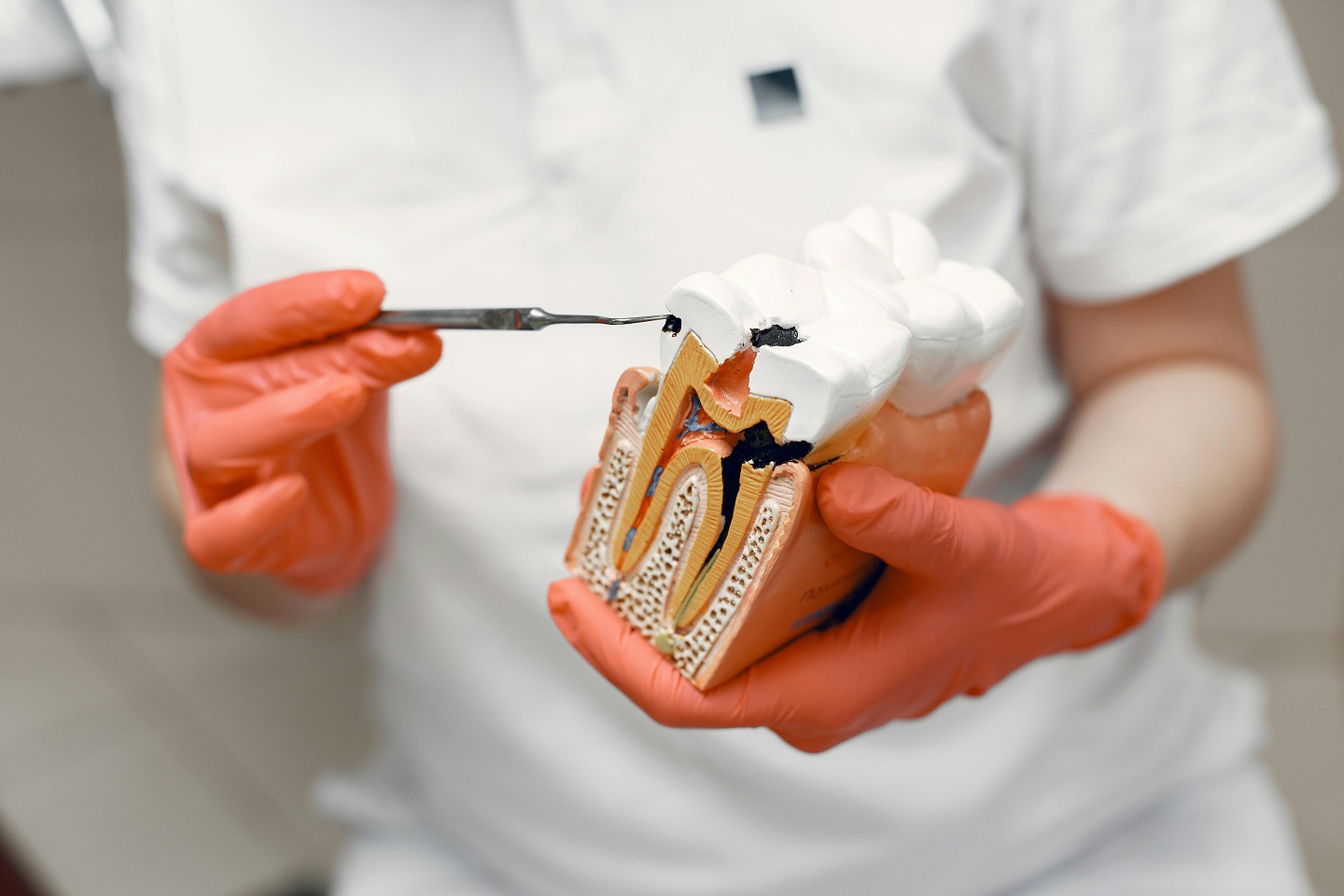
What happens during a root canal? Dr. Read will create a small opening in the crown of your tooth to access the infected pulp chamber. This opening is carefully placed and will be sealed later in the process.
Step 5: Removing Infected Tissue
Using specialized instruments, the infected or damaged pulp is gently removed from the pulp chamber and root canals. The canals are then carefully cleaned, shaped, and disinfected to eliminate bacteria. This is one of the most crucial endodontic treatment steps for ensuring long-term success.
Step 6: Filling the Canals
Once the canals are thoroughly cleaned and shaped, they’re filled with a biocompatible material called gutta-percha. This rubber-like material seals the canals to prevent future infection. The access opening is then temporarily filled.
Step 7: Restoration
After your root canal procedure, you’ll typically need a permanent restoration, usually a crown, to protect the treated tooth and restore its function. Dr. Read will discuss the best restoration option for your specific case.
What If a Root Canal Doesn’t Work?
While root canals have a high success rate, occasionally a tooth may not heal as expected or could become reinfected. In these cases, endodontic retreatment may be necessary to save your tooth.
Recovery and Aftercare
Following your treatment, you may experience mild sensitivity for a few days, which can be managed with over-the-counter pain medication. Most patients return to their normal activities the next day.
Experience Expert Endodontic Care in Denver
At Elevated Endodontics in Denver, CO, Dr. Jason Read, DMD, uses advanced technology and proven techniques to make your root canal process as comfortable and efficient as possible. If you have questions about what happens during a root canal or need to schedule a consultation, call us at 720-895-1717. We’re here to help you maintain your natural smile with expert, compassionate care.








Leave A Comment